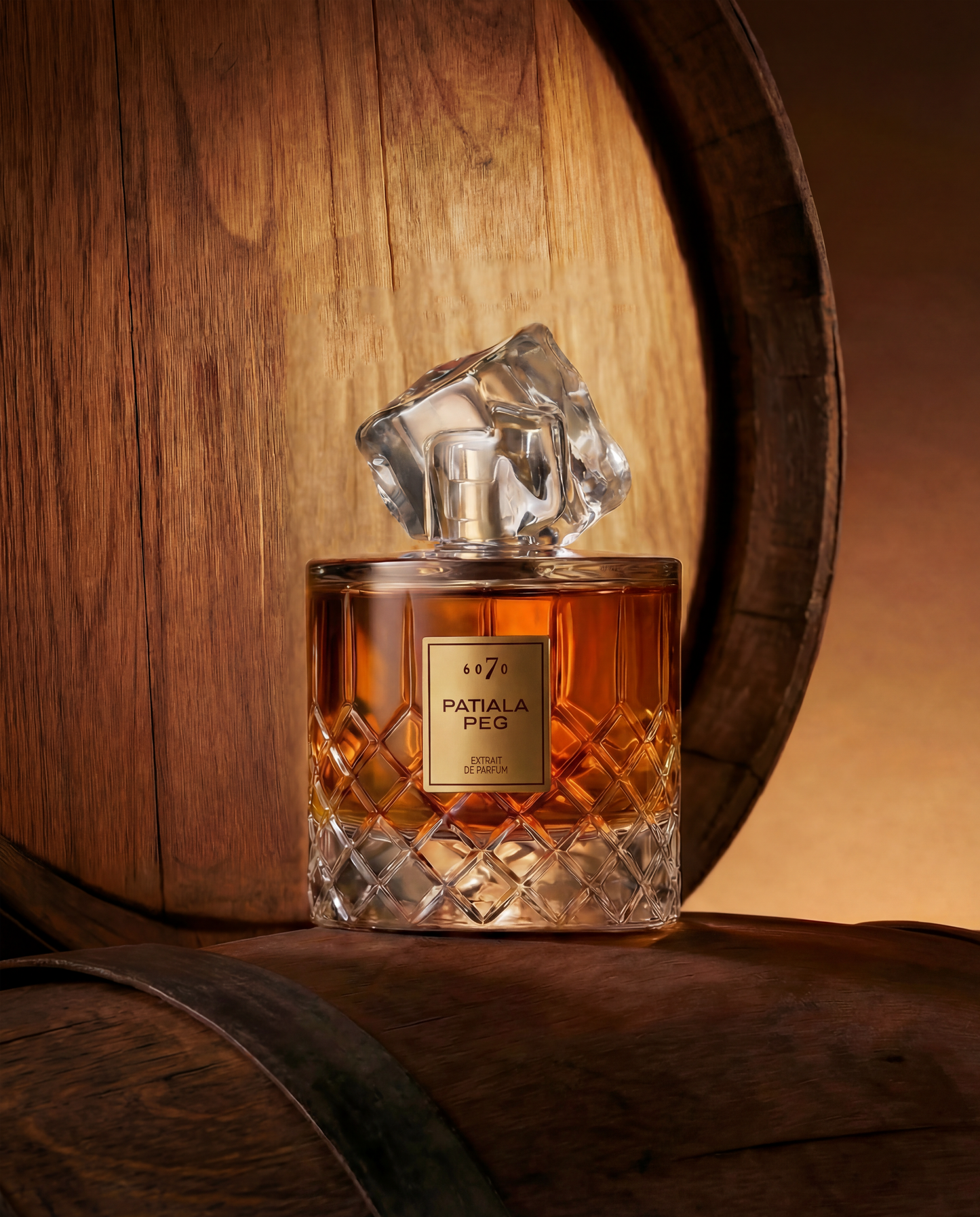
ARCHIVE ENTRY — PATIALA PEG.

A Measure of Excess, A Gesture of Intent.

THE ROYAL ORIGIN

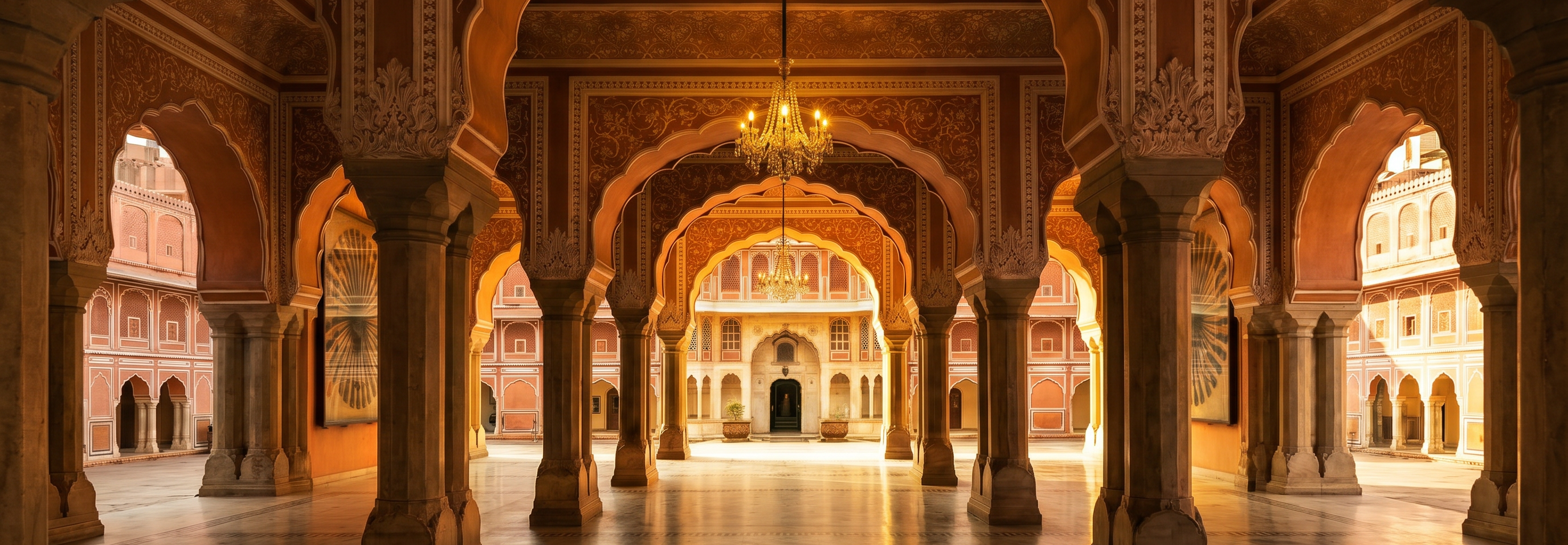
The story begins in the courts of Patiala, in early twentieth-century Punjab, a princely state known for its scale, its ceremony, and its refusal to do anything modestly.

Its rulers were monarchs, hosts, competitors, men who understood that power often moved through ritual.

From this setting emerged the Patiala Peg - a measure defined by the hand. The distance between the index and little finger set the level of the pour, extending it well beyond a standard serving. In practice, it reached close to 120 ml, turning proportion into a statement.

THE NIGHT BEFORE

In the golden era of the early 1900s, the Maharaja of Patiala’s polo team remained undefeated. To mark a visit from the “Viceroy’s Pride,” a British side, a match was arranged.

Bound by honor and a desperate fear of defeat, the Maharaja’s men crafted a legendary deception. Under a canopy of stars, they plied their guests with double measures of whiskey, pouring a hospitality so potent it became a conspiracy. While the Irishmen succumbed to the amber spirit, the home team secretly swapped the targets, ensuring their own victory was as certain as the sunrise.

The Brits awoke outmatched, forever immortalizing the Patiala Peg: a pour of whiskey as bold, oversized, and unapologetic as the men who dared to serve it.

What began as strategy became custom. More than three times a standard pour, a “Patiala Peg” represented hospitality pushed to its edge, confidence without apology, a culture where generosity becomes identity.